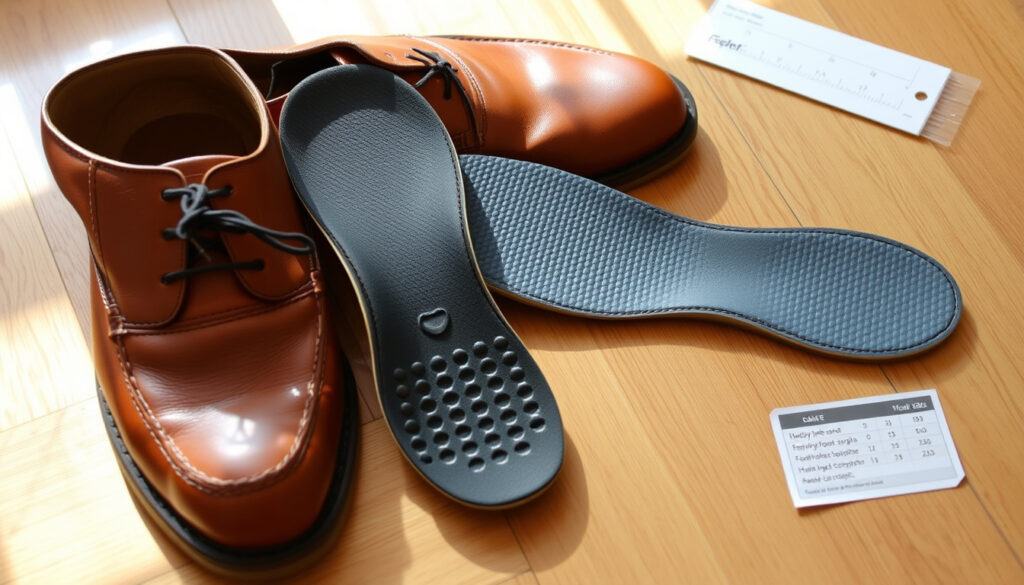
Shoes Insole – Complete Guide to Best Insoles for Your Shoes
Shoe insoles are an often overlooked solution for improving comfort, correcting fit, and alleviating foot pain. Whether you need extra arch support, better cushioning for standing all day, or a way to fill space in shoes that are too big, the right insole can make a significant difference. With options ranging from basic foam pads to advanced orthotic inserts, understanding the differences is key to choosing the best product for your needs.
The market offers gel, memory foam, and orthotic insoles, each with distinct properties. Brands such as PowerStep, Aetrex, Dr. Scholl’s, and Superfeet dominate the shelves, while retailers from Boots to Screwfix carry varying selections. This guide examines the top-rated insoles, how they address specific conditions, and where to buy them in the UK.
What are the best insoles for shoes?
Types
Gel, memory foam, orthotic, arch support, and cushioning insoles – each designed for different needs.
Fit & Sizing
Insoles can fill extra space in shoes that are too big, but may require trimming to prevent crowding.
Health Benefits
Common uses include relief from plantar fasciitis, heel pain, flat feet, and general fatigue from standing.
Where to Buy
Available at pharmacies (Boots), sports retailers (Sports Direct), shoe stores (Clarks, Shoe Zone), and online (Dr. Scholl’s, ShoeInsoles.co.uk).
Here are key insights to keep in mind when selecting shoe insoles:
- Insoles are not just for comfort – they can improve foot alignment and reduce stress on joints.
- The best insole for you depends on your foot type (arch height), activity, and shoe fit.
- Gel insoles offer shock absorption; memory foam molds to the foot; orthotic insoles provide structured support.
- For shoes that are too big, thicker insoles can improve fit, but be careful not to make the shoe too tight.
- Major retailers like Tesco, Screwfix, and Clarks carry basic to mid-range insoles, while specialist sites offer advanced orthotics.
| Fact | Detail |
|---|---|
| Price range | £5 – £30 for basic insoles; orthotic custom insoles can cost £40–£100+ |
| Common materials | Gel, polyurethane foam, memory foam, EVA, cork, carbon fiber |
| Average lifespan | 3–6 months for daily use; replace when cushioning wears out |
| Popular brands | Dr. Scholl’s, Scholl, Superfeet, Sorbothane, Powerstep, and store brands |
Which insoles work best for shoes that are too big?
Adding an insole is one of the simplest ways to take up extra volume in oversized footwear. The key is choosing a thicker model that fills space without creating uncomfortable pressure points.
Do insoles make shoes smaller?
Yes, they reduce internal volume. In shoes that are too big, this helps achieve a snugger fit. In well-fitted shoes, choose thin insoles to avoid tightness. Memory foam insoles from PowerStep and Aetrex are thicker and add noticeable volume, making them effective for loose shoes. Thinner gel options like Dr. Scholl’s Run Active Comfort work for mild size adjustments.
When using insoles to fill oversized shoes, always trim the insole to match your shoe size. Most insoles have trim lines. Insert the factory insole first to check fit, then replace it with the new one if needed.
How to fit insoles in shoes
Remove the original insole if it is removable. Place the new insole inside, ensuring it lies flat. If the insole is too long, trim along the indicated line for your size. Walk a few steps to test comfort – the insole should not shift or cause your foot to feel cramped.
What type of insoles are ideal for boots?
Boots often have minimal built-in cushioning, making insoles a practical upgrade. The best choices for boots combine arch support with a deep heel cup to stabilise the foot inside a tall shaft.
Insoles for boots with arch support
The PowerStep Pinnacle Memory Foam is designed for work and casual boots, offering a rigid arch shape that cradles the heel and reduces strain on the plantar fascia. The Sole Active Medium provides moldable arch support and a zero-drop design, which helps stabilise the foot inside boots, according to OutdoorGearLab.
Not all boots have removable factory insoles. If the insole is glued in, check whether you can safely remove it without damaging the boot’s interior. Some work boots have thick midsole construction that may not accommodate an additional insole without causing tightness.
Are gel or memory foam insoles better for boots?
Memory foam insoles are generally better for boots because they add volume and provide orthotic-level arch support. Gel insoles, while good for shock absorption, are thinner and offer less structural support, making them more suitable for low-profile footwear.
Where can you buy insoles? (Tesco, Screwfix, Clarks)
Availability of insoles varies widely across UK high-street and online retailers. Here is what each store typically offers.
| Retailer | Typical Range | Notes |
|---|---|---|
| Tesco | Basic foam and gel insoles, Dr. Scholl’s | Budget-friendly, limited arch support options |
| Screwfix | Generic insoles, sometimes Dr. Scholl’s | Focused on work footwear; selection may be small |
| Clarks | Own-brand comfort insoles, Dr. Scholl’s | Better for casual and dress shoes |
| Boots | Dr. Scholl’s, Scholl, own-brand | Pharmacy trust; podiatrist-recommended options |
| Specialty online | PowerStep, Aetrex, Superfeet, Sole | Wider selection of premium orthotic insoles |
Premium brands like PowerStep, Aetrex, and Superfeet are less common in general retailers and are often sold through specialty stores or online, according to OutdoorGearLab and Consumer Reports. For custom options, services like Stride Soles and SprinSole use phone scanning to create personalised arch supports, as noted on Reddit. For a broader selection of footwear, see the Man Shoes – Best UK Formal, Casual & Trainers Guide 2025.
What are the differences between gel, memory foam, and orthotic insoles?
Choosing the right material depends on your primary need – cushioning, support, or a combination. The following comparison highlights the key distinctions.
Gel insoles
Gel insoles are soft, pliable, and designed mainly for shock absorption. They distribute pressure evenly but offer minimal arch support. Aetrex notes that gel is best for high-impact sports and tight footwear where a thin profile is needed. Dr. Scholl’s Massaging Gel line is a common example.
Memory foam insoles
Memory foam conforms to the unique shape of your foot, providing personalised alignment. Brands like PowerStep and Aetrex combine memory foam with rigid arch supports, making them superior for conditions like plantar fasciitis and flat feet, as reported by PowerStep and Aetrex.
Orthotic insoles
Orthotic insoles are firmer and designed to correct foot mechanics. They include rigid arch supports, deep heel cups, and stabiliser caps. Superfeet and Sole are well-known for orthotic offerings. These are often recommended for overpronation, severe arch pain, and long-term foot health.
| Feature | Memory Foam (e.g., PowerStep, Aetrex) | Gel (e.g., Dr. Scholl’s Massaging Gel) |
|---|---|---|
| Support Level | Superior overall support; conforms to foot shape | Targeted cushioning for shock absorption |
| Best For | Plantar fasciitis, flat feet, shoes too big | High-impact sports, hot feet, tight dress shoes |
| Material Properties | Temperature-sensitive, molds to foot contours | Soft, pliable gel, less contouring |
| Arch Support | Integrated rigid arch support | Minimal arch support |
| Ideal Shoe Type | Boots, work shoes, casual dress shoes | Dress shoes, tight footwear |
How do insoles help with foot pain and conditions like plantar fasciitis?
Insoles address foot pain by providing targeted support and cushioning. For plantar fasciitis, models with rigid arch support reduce strain on the plantar fascia ligament. The PowerStep Pinnacle and Aetrex Memory Foam Arch Support both feature a cobra-shaped arch that cradles the heel, according to PowerStep and Aetrex. The Sole Active Medium excels for severe cases with its moldable support, as noted by OutdoorGearLab.
For flat feet, semirigid insoles like the EasyFeet Black Model or Superfeet All-Purpose Support High Arch provide necessary stability. For general foot fatigue, gel insoles can offer temporary relief, though they lack the structural correction needed for chronic conditions.
For chronic foot conditions, consult a podiatrist before choosing insoles. Over-the-counter options can relieve symptoms but are not a substitute for professional diagnosis and treatment.
How have shoe insoles evolved over time?
- Early era: Insoles were made from felt, leather, or cork. They provided basic cushioning but little arch support.
- 1970s: Gel insoles were introduced, offering superior shock absorption for athletic footwear.
- 1990s–2000s: Memory foam became popular, allowing insoles to mold to individual foot shapes.
- 2010s: Custom 3D-printed orthotics emerged, with brands like Wiivv and SOL using foot scans for personalised fit.
- Present day: Smart insoles with pressure sensors for gait analysis are entering the market, alongside sustainable materials like bamboo and recycled foam.
What is certain and what remains unclear about shoe insoles?
| Established Information | Information That Remains Unclear |
|---|---|
| Insoles can reduce foot pain and improve fit in oversized shoes. | The degree of benefit varies by individual foot anatomy – no universal best insole exists. |
| Gel and memory foam offer different levels of cushioning and support. | Claims about ‘medical-grade’ insoles may not be backed by independent studies unless stated otherwise. |
| Arch support helps with overpronation and plantar fasciitis. | Long-term effects of prolonged insole use on foot muscle strength are not well documented. |
What background context matters when comparing insoles?
The material choice directly affects performance. Memory foam moulds to the foot but compresses faster than gel, which is more durable and shock-absorbing. Arch support needs vary: low arches (overpronation) require firm support, while high arches benefit from extra cushioning to absorb impact. Retailer reliability also plays a role – Boots and Dr. Scholl’s offer podiatrist-recommended options, whereas general retailers may have a limited selection that focuses on budget products rather than therapeutic quality.
When buying from high-street stores like Tesco or Screwfix, you are more likely to find basic gel or foam pads than advanced orthotics. For superior support, online specialty retailers or dedicated shoe-insole shops are the better choice.
What are authoritative sources and expert opinions on insoles?
“Insoles can be an excellent first-line treatment for mild foot pain, but they are not a substitute for proper footwear or medical care.”
– Paraphrased from podiatric guidance
The NHS offers general foot pain advice and recommends seeing a GP or podiatrist for persistent issues. Which? has reviewed insoles independently, comparing comfort and durability. The American Podiatric Medical Association provides guidelines on selecting appropriate foot products. For UK-specific products, Dr. Scholl’s UK and ShoeInsoles.co.uk offer a wide range.
Summary: What is the best insole for your needs?
For boots, plantar fasciitis, and flat feet, the PowerStep Pinnacle Memory Foam stands out due to its clinically proven arch support and cushioning. The Sole Active Medium is an excellent choice for severe cases, while thinner gel insoles suit tight dress shoes or high-impact activities. If over-the-counter options fail, consider custom insoles from Stride Soles or SprinSole. For a broader selection of footwear, see the Man Shoes – Best UK Formal, Casual & Trainers Guide 2025.
Frequently asked questions
Are shoe insoles worth it for comfort?
Yes, if you experience foot fatigue, standing for long periods, or have shoes that lack cushioning. They can significantly improve comfort.
Do insoles make shoes smaller?
They reduce internal volume. In shoes that are too big, this helps. In well-fitted shoes, choose thin insoles to avoid tightness.
What are the cheapest insoles available?
Basic foam or gel insoles from retailers like Tesco, Poundland, or Amazon can cost under £5. Brands like Scholl and Dr. Scholl’s start around £8.
How often should you replace shoe insoles?
Every 3–6 months or when you notice flattened cushioning, odors, or loss of support.
Can insoles cure plantar fasciitis?
They can relieve symptoms by providing arch support and shock absorption, but are not a cure. Combine with stretching and proper footwear for best results.
More related posts
 Sanjay Dutt – Biography, Age, Wife, and Films
 Thomas Markle – Biography, Health Updates, and Family Estrangement Explained
 Sam Reid – Biography, Age, Height and Career Facts
 Pink Floyd – Complete Guide to Members, Albums and History
 Katherine Kelly – Biography, TV Roles and Personal Life 2025
 Ryan Sampson – Biography, Age, Career and Personal Life
 Edward Furlong 2025 – Biography, Net Worth and Where He Is Now
 Ben Shephard – Wife, Net Worth, Height, and Career Facts