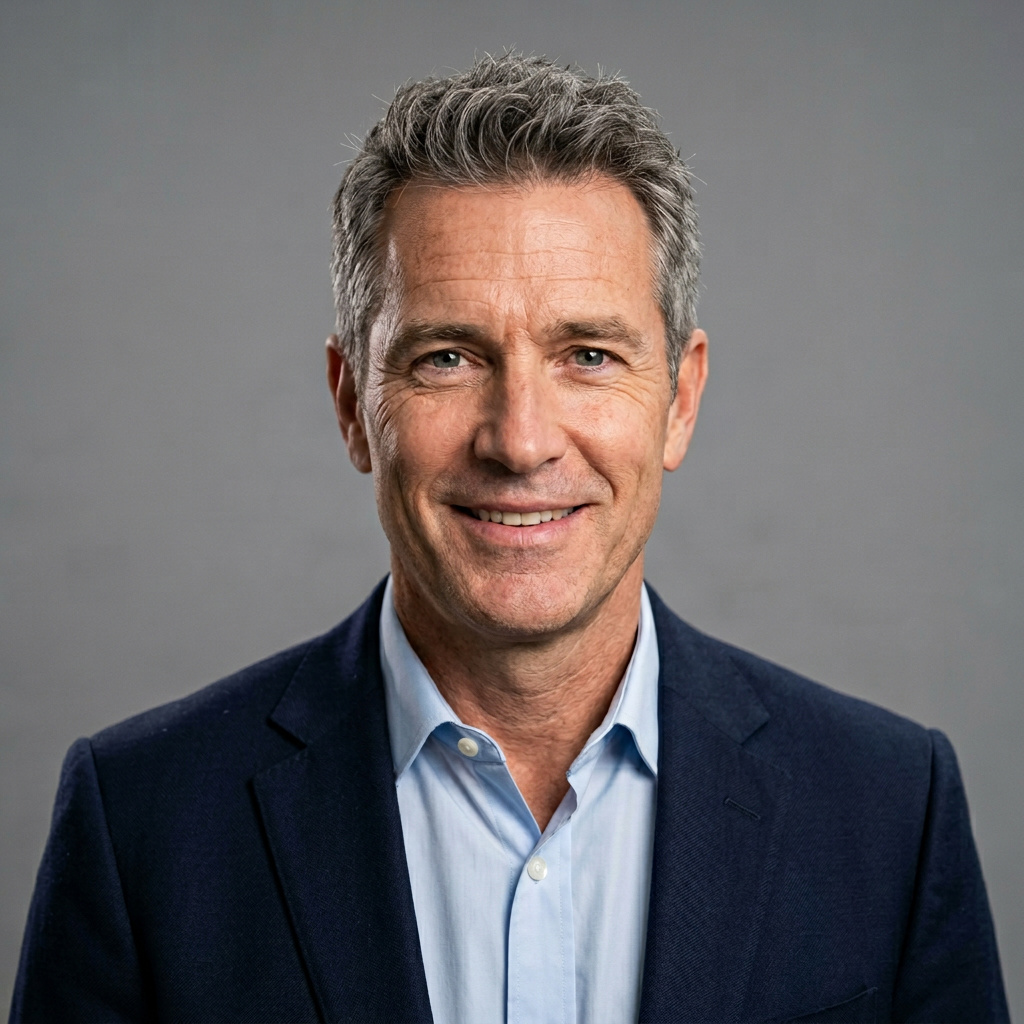
Ahmed al-Sharaa – From Jihadi t Leader to Syrian Pre ident
Ahmed al-Sharaa, once known as Abu Mohammad al-Julani, has travelled a path that few in modern history have walked: from a leader of an al-Qaeda-linked insurgency to the presidency of Syria. His rise, anchored in the collapse of the Assad regime and the military strength of Hayat Tahrir al-Sham (HTS), marks one of the most dramatic political transformations in the Middle East in recent years. Yet his legitimacy rests on revolutionary victory and transitional arrangements, not a democratic mandate, making his presidency both consequential and deeply contested.
Who Is Ahmed al-Sharaa? From Rebel Nom de Guerre to Syrian President
- Full Name: Ahmed Hussein al-Sharaa (nom de guerre: Abu Mohammad al-Julani)
- Born: 29 October 1982
- Status: Current President of Syria (as of 2025)
- Former Affiliation: Emir of al-Qaeda affiliate Jabhat al-Nusra; Founder of Hayat Tahrir al-Sham (HTS)
- Al-Sharaa’s public rebranding involves renouncing global jihad and adopting nationalist rhetoric, a strategy seen as key to Western engagement.
- His transformation is deeply controversial: critics argue it is a tactical shift rather than genuine ideological change, while supporters point to his governance in Idlib.
- The West’s engagement — including a meeting with President Trump in Riyadh — marks a significant departure from the previous policy of isolating HTS, driven by realpolitik and the desire to stabilise Syria after Assad.
- The core challenge for al-Sharaa is balancing domestic legitimacy with international expectations on human rights and security.
- His claim to authority is based on “revolutionary legitimacy” conferred by armed factions and civil society groups, not constitutional continuity.
| Attribute | Detail |
|---|---|
| Birth Name | Ahmed Hussein al-Sharaa |
| Nom de Guerre | Abu Mohammad al-Julani |
| Date of Birth | 29 October 1982 |
| Place of Birth | Damascus, Syria (reported) |
| Primary Group | Hayat Tahrir al-Sham (HTS) |
| Current Position | President of Syria (since January 2025) |
| Former Allegiance | al-Qaeda (Jabhat al-Nusra) |
| Status | Alive, in power |
Ahmed Hussein al-Sharaa: The Man Behind the Nom de Guerre
Born on 29 October 1982, Ahmed Hussein al-Sharaa was known for most of his militant career by his nom de guerre, Abu Mohammad al-Julani. He is a Syrian politician and former rebel commander who has served as president of Syria since 2025, according to Wikipedia. Britannica describes him as a militant Islamist and former al-Qaeda member whose group, HTS, led the offensive that toppled Bashar al-Assad in 2024.
Early Life and Entry into the Syrian Insurgency
According to CBS News, al-Sharaa grew up in an upper-middle-class Syrian background, left Syria to join al-Qaeda in Iraq, was arrested in 2005, and spent six years in American and Iraqi prisons. After his release in 2011, he returned to Syria as the uprising against Assad was beginning and established an al-Qaeda affiliate there, launching attacks against the regime.
The Evolution of Hayat Tahrir al-Sham (HTS)
Britannica states that he formed the Nusrah Front in 2012, which later evolved into HTS. The group became the dominant force behind the anti-Assad offensive in late 2024, ultimately collapsing the government.
How Did a Former al-Qaeda Member Become President of Syria?
From al-Qaeda Emir to Political Leader: A Timeline of Transformation
The central fact shaping his public image is that he was once tied to al-Qaeda and later recast himself as a national political leader. CBS News reports that he eventually broke with ISIS-linked allies and renounced allegiance to al-Qaeda in 2016. That break, together with HTS’s evolution, is the basis for his transformation narrative.
The Fall of the Assad Regime and the Power Vacuum
In late 2024, HTS led the offensive that collapsed the Assad government. Al-Sharaa became Syria’s de facto leader on 8 December 2024, then was formally appointed president on 29 January 2025 during the Syrian Revolution Victory Conference at the People’s Palace. He was mandated to serve a five-year transitional period under a constitutional declaration, according to the Presidency of Ahmed al-Sharaa page.
Western Diplomacy: The White House Visit and UN Address
Britannica notes that in May 2025, U.S. President Donald Trump met al-Sharaa in Riyadh — the first meeting between U.S. and Syrian heads of state in 25 years — and signaled support for lifting sanctions to give Syria “a fresh start.” Al-Sharaa also traveled to New York in late September 2025 to address the UN General Assembly, becoming the first Syrian leader in nearly six decades to do so.
CBS News reports that al-Sharaa wants sanctions lifted because he seeks long-term investment and reconstruction funding. His administration has focused on restoring ties with the United States, Russia, and regional actors.
Has Ahmed al-Sharaa Really Renounced Jihadism?
Public Statements vs. Past Allegiances: A Gap Analysis
CBS News reports that he publicly renounced allegiance to al-Qaeda in 2016. His current rhetoric emphasises national unity, minority protection, and state-building, in stark contrast to earlier jihadist vocabulary. However, skepticism remains widespread.
Actions on the Ground: Governance in Idlib and Beyond
In Idlib province, HTS established a civilian “Salvation Government” and consolidated power. The Wikipedia result says he signed a constitutional declaration establishing a five-year transition and that Islamic jurisprudence became the main source of legislation. At the same time, he has opposed renewed war with Israel and condemned Iranian influence.
Expert Analysis: Is the Transformation Genuine or Tactical?
Sources such as Durham University and the LSE blog analyse the gap between past and present. The consensus is that while the shift in language is real, the depth and permanence of ideological change remain unproven. The West’s engagement is driven more by realpolitik than by certainty about his convictions.
What Are the Human Rights Concerns Under al-Sharaa’s Leadership?
Treatment of Religious Minorities and Former Regime Members
CBS News highlights that al-Sharaa faces questions over whether he can “stabilize, unify and democratize” Syria and specifically mentions protecting minorities from persecution. The record of HTS produces deep skepticism among Syrians and foreign governments, even as some observers see a more pragmatic post-Assad posture.
Women’s Rights and Personal Freedoms
The available sources do not provide specific policy details on women’s rights under al-Sharaa. However, the constitutional declaration that makes Islamic jurisprudence the main source of legislation raises concerns among rights advocates. The issue remains an area of high uncertainty.
International Scrutiny and War Crimes Allegations
No confirmed war crimes indictments are mentioned in the research, but his past as a jihadist leader invites ongoing scrutiny from international bodies and human rights organizations. The LSE blog discusses the implications for human rights and international security.
The question of whether al-Sharaa’s leadership can protect minorities and broaden political rights remains a major unresolved issue. CBS News says he faces deep skepticism from both Syrians and foreign governments.
What Is Ahmed al-Sharaa’s Vision for the Future of Syria?
Reconstruction, Economy, and Stabilization Plans
CBS News reports that al-Sharaa says general elections will be held only after infrastructure is rebuilt and citizens have IDs and proper documents. That implies a long transition before full democratic competition. His administration continues to seek external economic relief through sanctions relief and diplomatic normalization.
Political Transition and the Role of the International Community
His government presents itself as a transitional authority tasked with consolidating power, rebuilding institutions, unifying armed factions, and restoring foreign relations. A YouTube transcript from the transitional appointment reports that he claimed legitimacy conferred by armed factions, revolutionary fighters, civil society groups, and others he met during the preceding weeks.
Challenges: Unity, Security, and Legitimacy
The main challenges include managing internal rivalries within HTS and other militias, facing potential war crimes investigations, and rebuilding state institutions. His ability to control all armed groups within Syria remains uncertain.
What Is the Timeline of Ahmed al-Sharaa’s Transformation?
- Early 2000s: Joins insurgency in Iraq against U.S. forces.
- 2011: Returns to Syria, establishes Jabhat al-Nusra.
- 2013: Pledges allegiance to al-Qaeda leader Ayman al-Zawahiri.
- 2016: Publicly breaks from al-Qaeda, rebrands group as Jabhat Fateh al-Sham.
- 2017: Merges with other factions to form Hayat Tahrir al-Sham (HTS), becomes its leader.
- 2020-2023: Consolidates power in Idlib province, establishes a civilian ‘Salvation Government’.
- Late 2024 / Early 2025: Takes power in Damascus after Assad regime collapse; assumes presidency.
- 2025: Makes diplomatic tour; speaks at the UN and meets Trump in Riyadh.
What Do We Know for Certain and What Remains Unclear?
| Established Information | Information That Remains Unclear |
|---|---|
| He was the leader of HTS. | The permanence and sincerity of his ideological transformation. |
| He was formerly the leader of al-Qaeda’s Syrian affiliate. | His ability to control all armed groups within Syria. |
| He is currently the de facto leader of Syria. | Whether his governance will be inclusive or authoritarian. |
| He has publicly renounced al-Qaeda. | The long-term viability of his diplomatic engagement with the West. |
| He gave a speech at the UN in 2025. | Specific human rights policies under his administration. |
What Is the Broader Geopolitical Context Behind His Rise?
The collapse of the Assad regime created a power vacuum that HTS, as the strongest remaining faction, could fill. Global powers — the U.S., EU, Russia, Iran — shifted priorities, enabling al-Sharaa’s transition from designated terrorist to negotiating partner. His rise reflects a realignment of interests rather than an endorsement of his ideology.
Which Sources Provide Reliable Information on Ahmed al-Sharaa?
Key sources include Wikipedia for background, Britannica for concise biography, Chatham House / YouTube for his current policy vision, and academic analyses from Durham University and the LSE blog.
“He specifically mentions protecting minorities from persecution.”
— CBS News
“Trump signaled support for lifting sanctions to give Syria ‘a fresh start.’”
— Britannica
“Al-Sharaa claims legitimacy conferred by armed factions, revolutionary fighters, civil society groups.”
— YouTube transcript of transitional appointment
What Happens Next? The Challenges Ahead for President al-Sharaa
Securing international legitimacy and sanctions relief remains urgent. Managing internal rivalries within HTS and other militias, facing potential war crimes investigations, and rebuilding state institutions and the economy will define his presidency. A long transition before elections is expected, and uncertainty persists about whether his Islamist past can coexist with a pluralistic Syrian future. For a broader perspective on leadership transitions, see Vatican Conclave Cardinals Pope Francis – 2025 Election Process Explained.
Frequently Asked Questions About Ahmed al-Sharaa
When was Ahmed al-Sharaa born?
He was born on 29 October 1982 in Damascus, Syria.
Can Ahmed al-Sharaa bring peace to Syria?
It remains uncertain. He faces major challenges in unifying armed groups, rebuilding institutions, and gaining broad trust.
What is the background of Hayat Tahrir al-Sham (HTS)?
HTS originated as Jabhat al-Nusra, an al-Qaeda affiliate founded by al-Sharaa in 2012, later renamed and merged with other factions.
How is Ahmed al-Sharaa viewed by the Syrian public?
Opinion is divided: some see him as a pragmatic leader, while others distrust him due to his jihadist past and HTS’s record.
Has al-Sharaa visited the White House?
There is no confirmed White House visit. He met President Trump in Riyadh in May 2025, which was the first U.S.-Syria head-of-state meeting in 25 years.
What is al-Sharaa’s stance on women’s rights?
Specific policies are not detailed, but Islamic jurisprudence is the main source of legislation under his constitutional declaration, raising concerns.
Did al-Sharaa give a speech at the UN?
Yes, he addressed the UN General Assembly in New York in late September 2025, the first Syrian leader to do so in nearly 60 years.
What is the source of his legitimacy?
He claims revolutionary legitimacy from armed factions and civil society groups, not from an electoral mandate or constitutional continuity.
Is al-Sharaa still considered a jihadist?
He has publicly renounced al-Qaeda, but many observers remain skeptical about the depth of his ideological change.
What are the main controversies surrounding him?
Key issues include his past as a jihadist, human rights concerns, minority protection, and the legitimacy of his rule.
More related posts
 Volume of a Cylinder – Formula, Calculator, Examples
 Ellen Degeneres – Net Worth, Career, and Life Today
 Alan Ritchson – Height, Wife, Movies, and Biography
 Owen Hart – Tragic Death Cause and Lasting Legacy
 New Balance 9060 Grey – Colors, Sizing and Buying Guide
 Uruguay National Football Team – Squad, Fixture , Hi tory and 2026 Kit
 Billy Fury – Biography, Cause of Death, and Lasting Legacy
 Barry Evans – The Unsolved Murder of a British Sitcom Star