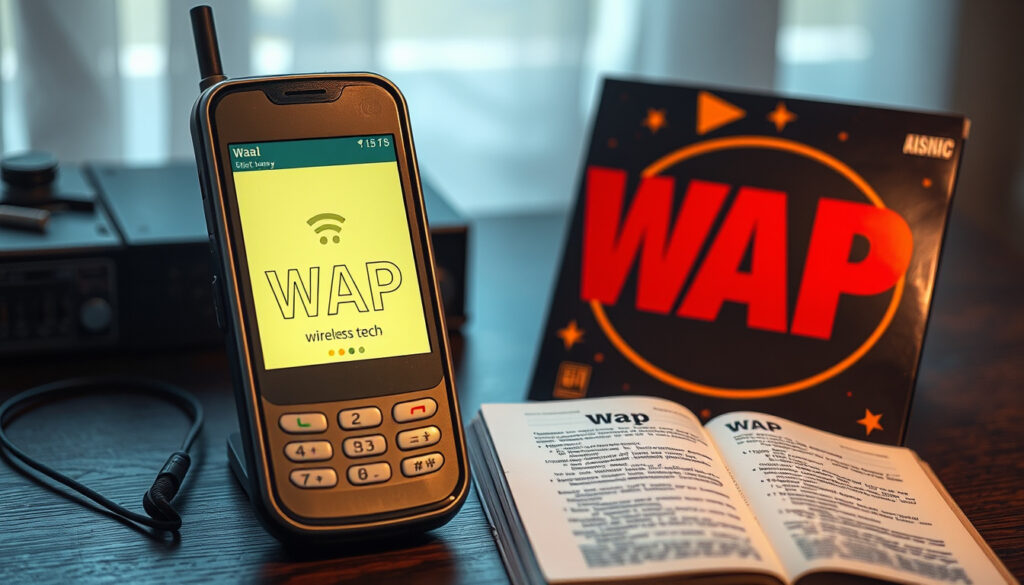
What Does Wap Mean – Slang, Song and Tech Definitions Explained
The acronym WAP carries two vastly different meanings depending on context: the sexually explicit slang popularized by Cardi B and Megan Thee Stallion’s 2020 chart-topper, and the largely obsolete Wireless Application Protocol from early mobile internet history. Understanding which definition applies requires reading the surrounding conversation or content carefully.
In contemporary usage, especially in text messages and social media, WAP overwhelmingly refers to the slang meaning originating from the Cardi B song. The technical definition, once standard vocabulary for mobile web developers, has faded into technological history. This article breaks down both meanings, their origins, and the controversy surrounding the song that made the slang dominant.
The divergence in meaning represents a fascinating case of linguistic displacement, where a decades-old technical term was effectively hijacked by popular culture in a single year. The shift also highlights how music can reshape language faster than any dictionary update.
What Does WAP Stand For?
WAP primarily stands for “Wet-Ass Pussy” in modern slang usage, a phrase that entered mainstream vocabulary following the release of Cardi B’s 2020 hit song. The term also historically refers to Wireless Application Protocol, a technical standard for mobile internet access developed in the late 1990s. Other meanings exist in specialized contexts, including a construction term for Work Area Protection, though these remain far less common in general discourse.
Female anatomy arousal; sexual context
2020 hit featuring Megan Thee Stallion; explicit lyrics
Mobile internet standard; developed 1999; now obsolete
Construction: Work Area Protection; varies by industry
Key Facts About WAP
- The slang WAP dominates modern usage, particularly among younger demographics on social media
- The Cardi B song featuring Megan Thee Stallion was released on August 7, 2020, via Atlantic Records
- Wireless Application Protocol was developed in 1999 by a consortium including Ericsson, Motorola, Nokia, and Phone.com
- The song received over 1,000 FCC complaints following its Grammy Awards performance in 2021
- A 2022 copyright lawsuit claiming the phrase originated from rapper Necey X was dismissed
- Radio edits changed explicit lyrics to phrases like “wet and gushy” for broadcast compliance
| Acronym | Full Form | Primary Use | Era |
|---|---|---|---|
| WAP | Wet-Ass Pussy | Slang, music, social media | 2020–present |
| WAP | Wireless Application Protocol | Mobile internet, technology | 1999–2010s |
| WAP | Work Area Protection | Construction, safety | Ongoing |
| WAP | Wet-Ass Pussy | Song title | 2020 |
What Does WAP Mean in Text and Slang?
When appearing in text messages, social media posts, or online discussions outside music contexts, WAP almost universally refers to “Wet-Ass Pussy.” The term describes female sexual arousal and is used both literally and as playful slang among adults. Its usage spiked dramatically after the song’s release, and it has since become one of the most recognizable acronyms from hip-hop in recent memory.
The term entered popular lexicon through a celebratory anthem of female sexuality, breaking from traditional hip-hop norms that typically center male perspectives on sex. This shift generated both praise and criticism in roughly equal measure.
Slang Origins and Usage
The exact origins of WAP as slang predate the song. Urban Dictionary entries show scattered usage dating back years, though none achieved widespread recognition before 2020. Cardi B’s track transformed the term into cultural shorthand for female sexual confidence and pleasure.
Usage patterns vary widely across demographics and platforms. On TikTok and Twitter, the term appears in jokes, references, and memes. In private messaging, it functions as direct adult communication. The term rarely appears in professional or formal contexts, and most style guides recommend avoiding it in anything resembling official communication.
Without surrounding context, WAP almost certainly refers to the Cardi B slang rather than any technical meaning. If someone mentions WAP in casual conversation post-2020, they are almost certainly referencing the song or its explicit meaning.
WAP Song by Cardi B and Megan Thee Stallion
“WAP” is a hit song released on August 7, 2020, by Cardi B featuring Megan Thee Stallion. The track was originally a Cardi B solo demo from 2019, revisited during COVID-19 lockdowns and reworked into a collaboration. Atlantic Records handled distribution, and the song immediately dominated charts upon release.
Chart Performance and Cultural Impact
The song topped charts worldwide and earned recognition as one of 2020’s best releases from Rolling Stone and NPR. Critics praised its sex-positive messaging and the confident portrayal of female desire. The track spawned countless memes, viral dances, and social media trends that extended its cultural footprint far beyond traditional music consumption.
Streaming numbers shattered records for hip-hop collaborations, with the track maintaining top positions for multiple weeks. Its radio presence was significant despite edited versions replacing explicit phrases with alternatives like “wet and gushy.” The song’s visual elements and promotional material contributed to its status as a cultural touchstone.
Lyrics and Meaning
The lyrics employ vivid metaphors and explicit language to describe sexual acts and desires. References include “Punani Dasani,” “macaroni in a pot” (describing sounds), “swipe your nose like a credit card,” and roleplay scenarios like “Switch my wig, make him feel like he cheating.” BDSM themes appear in lines like “You can’t hurt my feelings, but I like pain.”
Both artists have defended the explicit content as adult-oriented entertainment that fits within hip-hop’s tradition of frank discussion of sexuality. They emphasized that the music targets mature audiences and rejected claims that it promoted harmful behavior.
What is WAP in Technology?
In technology circles, WAP historically referred to Wireless Application Protocol, a technical specification developed in 1999. The WAP Forum, founded by Ericsson, Motorola, Nokia, and Phone.com, created the standard to enable internet access on mobile devices with limited bandwidth and processing power.
Technical Foundation
Wireless Application Protocol allowed mobile phones to access simplified web pages written in WML (Wireless Markup Language) rather than standard HTML. The protocol compensated for the slow data speeds and constrained hardware of early mobile devices by stripping down web content to essential elements.
The technology peaked during the early 2000s when feature phones dominated the mobile market. As smartphones emerged and network speeds improved, the need for specialized mobile protocols diminished. Full HTML browsers became standard, rendering WAP increasingly obsolete.
Modern Relevance
Today, technical references to WAP appear primarily in historical contexts, technology archives, and legacy system documentation. Few contemporary web developers encounter the term outside of historical research or nostalgic discussions about early mobile internet experiences.
The Wireless Application Protocol has not been actively developed or maintained for years. It remains a footnote in mobile technology history, having been superseded by full web standards compatible with modern smartphones. For a deeper dive into this subject, check out the $Interworldradio blog.
Why is WAP Controversial?
The song “WAP” sparked intense debates about explicit content, female sexuality, and perceived double standards in hip-hop. Supporters celebrated it as feminist empowerment that challenged male-dominated genres, while critics condemned it as vulgar and harmful.
Critical Reception
Social conservatives and political figures joined the criticism. Congressman James P. Bradley attributed the song’s existence to absent father figures and a departure from religious values. Political commentator Ben Shapiro recited censored lyrics on camera and made mocked medical claims about female lubrication, prompting widespread ridicule and counterarguments.
The Grammy Awards performance in 2021 generated over 1,000 FCC complaints, though regulatory action remained limited. The performance featured theatrical props and costume elements that amplified the shock value for viewers expecting traditional musical presentations.
The song contains explicit sexual content. Lyrics are not suitable for children or workplace environments. Both the artists and platforms have consistently indicated the content targets adult audiences.
Defenses and Counterarguments
Cardi B and Megan Thee Stallion defended their creative choices by pointing to hip-hop’s long history of explicit content and highlighting perceived gender bias in criticism. They argued that female artists expressing sexual agency should receive the same latitude as male counterparts who discuss similar themes.
Legal challenges proved unsuccessful. A 2022 copyright lawsuit filed by rapper Necey X claiming ownership of phrases like “pussy so wet” was dismissed, with the judge ruling that such phrases predated her song and could not be claimed as original intellectual property.
Timeline: WAP Through the Years
The dual meanings of WAP reflect two distinct timelines. The technical definition emerged in the late 1990s and faded by the 2010s, while the slang definition burst onto the scene in 2020 and reshaped the acronym’s public perception entirely.
- 1999: Wireless Application Protocol developed by the WAP Forum (Ericsson, Motorola, Nokia, Phone.com) for mobile internet access
- 2000–2010: WAP technology peaks during the feature phone era, enabling early mobile web browsing
- 2010–2019: Smartphone adoption and improved browsers render WAP technology increasingly obsolete
- August 7, 2020: Cardi B releases “WAP” featuring Megan Thee Stallion via Atlantic Records
- Late 2020: Song dominates charts worldwide, spawns viral memes and cultural phenomena
- 2021: Grammy Awards performance generates over 1,000 FCC complaints
- 2022: Copyright lawsuit over song phrases dismissed by judge
Established Facts and Uncertainties
Understanding what is definitively known about WAP versus what remains debated helps clarify discussions around the term and its uses.
| Established Information | Uncertain or Debated |
|---|---|
| Song released August 7, 2020, via Atlantic Records | Exact origins of slang pre-dating the song |
| Original demo created by Cardi B in 2019 | Degree of Megan’s lyrical contribution |
| Wireless Application Protocol developed in 1999 | Remaining technical implementations still using WAP |
| Copyright lawsuit dismissed in 2022 | Long-term cultural legacy predictions |
| Grammy performance generated FCC complaints | Total streaming numbers variations by platform |
Cultural and Historical Context
The rise of WAP as dominant slang reflects broader shifts in how internet culture and music interact to reshape language. A single song can now introduce terminology that displaces technical terms used for decades within a single generation’s timeframe.
The song also highlighted evolving conversations around female sexual expression in mainstream music. Where previous generations might have encountered such content primarily through male artists, Cardi B and Megan Thee Stallion claimed space for explicit female perspective. This shift generated both celebration and backlash, reflecting ongoing cultural tensions around sexuality and gender roles.
The near-total displacement of the technical meaning demonstrates how pop culture can overwhelm specialized terminology. Readers exploring numerical scales might find How Much Is a Billion – Everyday Examples and Facts relevant to understanding how language and measurement both evolve with cultural usage patterns.
Sources and Expert Perspectives
Multiple authoritative sources document the song’s impact and the technical term’s history. Wikipedia’s comprehensive entry on the song provides detailed information on release, chart performance, and controversy. Vice’s analysis covered the explicit content debates extensively. Music publications including Rolling Stone and NPR offered critical assessments of the artistic merit and cultural significance.
The song topped charts worldwide, earned acclaim as 2020’s best from Rolling Stone and NPR for its sex-positive, empowering message, and became a cultural phenomenon with memes and trends.
— Wikipedia, Rolling Stone, NPR coverage
Technical documentation on Wireless Application Protocol remains available through technology archives and reference sites like Techopedia. The development history involving major telecommunications companies is well-documented in industry literature. Business and motivation resources like Think and Grow Rich – Summary and 13 Principles offer different perspectives on how ideas and terminology spread through culture.
Summary
WAP primarily means “Wet-Ass Pussy” in contemporary usage, stemming from Cardi B and Megan Thee Stallion’s 2020 hit song. The alternative definition as Wireless Application Protocol, a mobile internet standard from 1999, has been largely forgotten outside technical circles. The song’s explicit content sparked significant controversy while achieving massive commercial success and cultural impact. Understanding which definition applies requires examining context, with casual and online usage almost always referring to the slang meaning popularized by the track. The divergence between these meanings represents a striking example of how popular culture can rapidly reshape language.
Frequently Asked Questions
What does WAP stand for in construction?
In construction contexts, WAP typically refers to Work Area Protection, a term related to safety protocols and equipment for protecting work zones. This specialized meaning remains distinct from both the slang and technology definitions.
How popular was the WAP song?
The song topped charts worldwide and dominated streaming platforms for weeks after release. It earned critical acclaim from major publications and spawned extensive cultural phenomena including memes and viral social media trends.
Is WAP still used in tech?
Wireless Application Protocol is no longer actively developed or used in modern technology. The term appears only in historical contexts, technology archives, and discussions of mobile internet evolution.
What are the lyrics to WAP?
The lyrics contain explicit sexual content describing female anatomy and sexual acts using metaphors and direct language. Radio edits replaced the most explicit phrases with alternatives like “wet and gushy” for broadcast compliance.
Did WAP win any awards?
The song received multiple award nominations and critical recognition as one of 2020’s best releases. The Grammy Awards performance was nominated for Best Melodic Rap Performance in 2021.
Why did WAP generate FCC complaints?
The Grammy Awards performance in 2021 prompted over 1,000 FCC complaints due to its explicit content and suggestive choreography. However, no significant regulatory penalties followed.
What other meanings does WAP have?
Beyond the primary slang and technology definitions, WAP may refer to Work Area Protection in construction or appear as an acronym in various specialized fields. However, these meanings rarely appear in general usage compared to the dominant Cardi B reference.
More related posts
 Cloud Storage Free Plans – Top Providers Compared 2025
 Carla Connor – Age, Wife, and Future on Coronation Street
 Ben Platt – Age, Husband, Career & Music Bio
 Bradley Dack – Career Stats, Wife Myth, and Net Worth 2025
 Jurnee Smollett – Biography, Movies, Net Worth, and 2025 Projects
 Chloe Lewis – TOWIE Star, Jake Hall Tribute and Son Beau’s Accident
 6’1 in cm – Exact Conversion to 185.42 Centimeters
 Mike Bubbins – Age, Wife, Tour, and Comedy Career