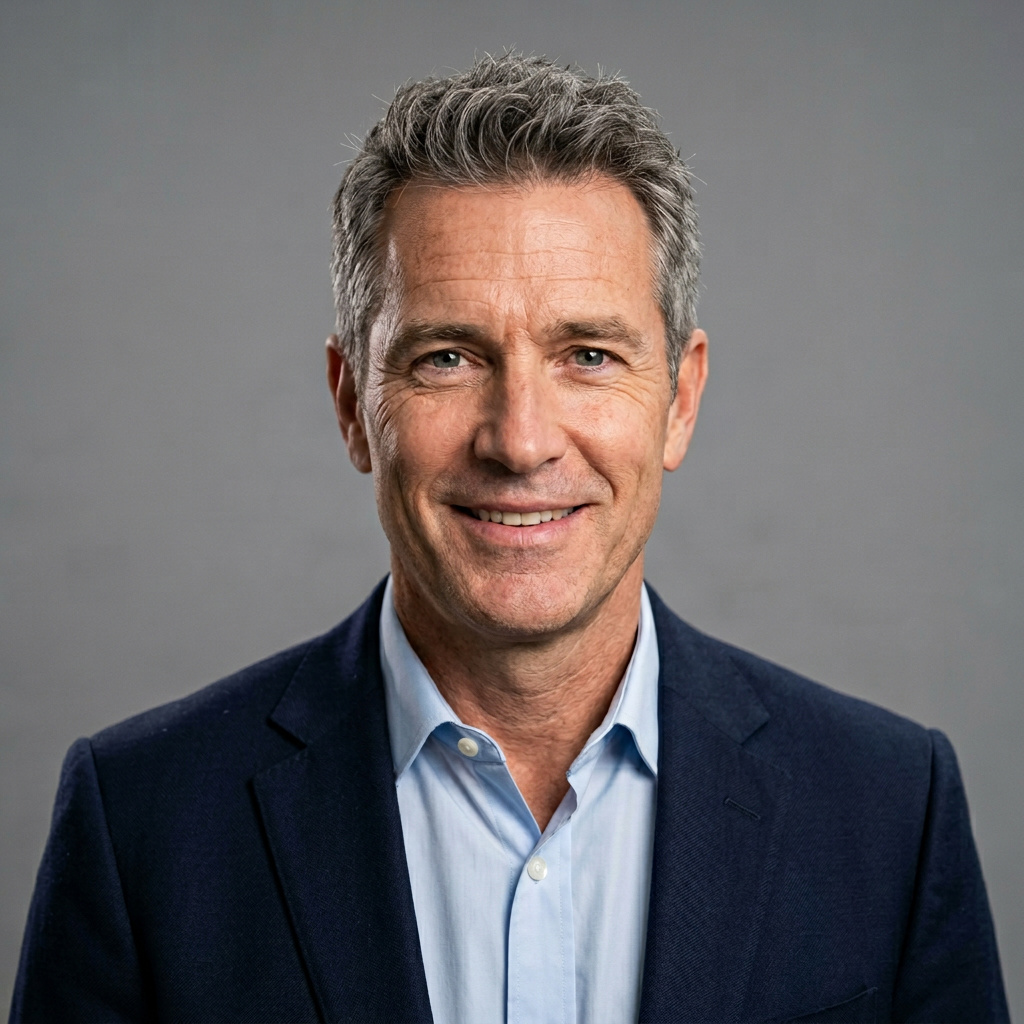
Jacinda Ardern – Biography, Resignation, and What She’s Doing Now
Jacinda Ardern served as the 40th prime minister of New Zealand from 2017 to 2023, leading the country through some of its most challenging moments in recent history. Her tenure was defined by a series of crises — the Christchurch mosque shootings, the Whakaari/White Island volcanic eruption, and the COVID-19 pandemic — and her response to each shaped a global reputation for empathetic leadership.
Born in Hamilton, New Zealand, in 1980, Ardern rose through the ranks of the Labour Party to become the country’s youngest prime minister in more than 150 years. She stepped down in January 2023, citing burnout and a lack of energy to continue. Since then, she has remained in the public eye through academic fellowships, international speaking engagements, and the publication of her memoir.
Why did Jacinda Ardern resign?
26 July 1980, Hamilton, New Zealand
26 Oct 2017 – 25 Jan 2023
Partner: Clarke Gayford; Child: Neve (born 2018)
Youngest NZ PM in 150 years; Christchurch Call founder
Ardern announced her resignation as Labour Party leader and prime minister on 19 January 2023, with Chris Hipkins succeeding her on 25 January 2023. She said she no longer had “enough in the tank” to lead the country through another election cycle. The decision was widely described as a landmark moment for mental health awareness in political leadership.
- Resignation in January 2023 was a global milestone for leader mental health awareness.
- Since leaving office, Ardern has taken up fellowships at Harvard and other institutions, focusing on empathic leadership.
- Her memoir, A Different Kind of Power, was published on 3 June 2025.
- Her personal life — especially being a mother while PM — continues to be a topic of public fascination.
- She led the Christchurch Call initiative after the 2019 mosque attacks to combat online extremism.
- Her leadership during the COVID-19 pandemic and the Christchurch shootings earned her global recognition.
- She was the second elected head of government to give birth while in office.
| Category | Detail |
|---|---|
| Full Name | Jacinda Kate Laurell Ardern |
| Born | 26 July 1980, Hamilton, New Zealand |
| Education | University of Waikato (BCS – Communication Studies, Politics) |
| Political Party | Labour (2008–2023) |
| Prime Minister | 40th; 2017–2023 |
| Resignation Date | 19 January 2023 (effective 25 Jan) |
| Partner | Clarke Gayford (presenter/fisherman) |
| Child | Neve Te Aroha Ardern Gayford (born June 2018) |
| Notable Achievements | Christchurch Call, COVID-19 elimination strategy, responsive leadership during 2019 mosque attacks |
| Post-PM Roles | Harvard Kennedy School fellowships (2023-2024), Knight Foundation, various advisory roles |
According to Britannica and other profiles, she is regarded as one of the world’s most recognizable contemporary political leaders, particularly for her crisis leadership style. The New Zealand History website notes that her resignation marked the end of a transformative period in the country’s politics.
What is Jacinda Ardern doing today?
Since leaving the premiership, Ardern has remained active in academic, public advocacy, and international speaking circles. She holds an honorary doctorate from Harvard University, awarded in 2022, and was appointed Dame Grand Companion of the New Zealand Order of Merit in 2023. Columbia University’s SIPA page identifies her as associated with the university community, indicating an ongoing academic and public-policy role after her premiership.
Academic and advisory roles
Ardern joined Harvard Kennedy School as a visiting fellow in 2023, focusing on empathic leadership and digital governance. She has also taken on advisory roles with organizations such as the Knight Foundation. Her work in these positions centers on the intersection of technology, democracy, and public service.
Ardern’s post-premiership work has concentrated on three main areas: digital governance and online safety, empathic leadership development through academic fellowships, and international advocacy for causes such as the Christchurch Call initiative. She has not indicated plans to return to electoral politics.
Public speaking and global engagement
She continues to give speeches and participate in global forums. Her public appearances often draw on her experience leading through crisis and the lessons she learned about compassionate governance. The BBC has covered her transition from political leader to global advocate, noting the sustained international interest in her perspectives.
Does Jacinda Ardern have children?
Motherhood while in office
Ardern has one daughter, Neve Te Aroha Ardern Gayford, born in June 2018. She became the second elected head of government to give birth while in office, a milestone documented by the Archives of Women’s Political Communication. Her pregnancy and early motherhood were widely discussed in the media, and she often spoke about the challenges of balancing leadership with parenting.
Partner and marriage
Ardern’s partner is Clarke Gayford, a television presenter and fisherman. According to WRAL’s fact file, the couple married in January 2024. Gayford has been a visible presence throughout her political career, often taking on the role of primary caregiver during her time as prime minister.
Family background
Ardern was raised in a Mormon family in the rural Waikato towns of Morrinsville and Murupara. Her father, Ross Ardern, was a police officer, and her mother, Laurell Ardern, worked as a school cook. She left the church in 2005. Her upbringing in a small-town, religious household has been cited in biographical profiles as formative to her values and communication style.
What is Jacinda Ardern’s educational background?
University of Waikato
Ardern attended Morrinsville College and later studied at the University of Waikato, where she earned a Bachelor of Communication Studies with a focus on politics and public relations. Columbia University’s SIPA profile notes that she completed the degree between 1999 and 2001. Her education laid the groundwork for a career in political communication and public service.
Ardern joined the New Zealand Labour Party at age 18, while still a student. She entered Parliament in 2008 on the Labour Party list, after working in the offices of Prime Minister Helen Clark and other senior Labour figures. Her early career included roles in policy and research, which gave her direct exposure to the workings of government.
While her bachelor’s degree is well documented, no information in the available sources indicates that she pursued postgraduate studies or holds additional academic qualifications beyond the honorary doctorate awarded by Harvard in 2022.
Is there a book or documentary about Jacinda Ardern?
Her memoir: A Different Kind of Power
Ardern’s memoir, A Different Kind of Power, was published on 3 June 2025. The title reflects her emphasis on empathetic and collaborative leadership. Based on the available information, the book is a major part of her post-prime-minister public profile, though a full synopsis or publisher details were not included in the source material.
Documentary coverage
Search results indicate that Ardern has been the subject of documentary film projects and continued media coverage after leaving office. However, the exact title, release date, and creators of any dedicated documentary about her life have not been confirmed in the available sources.
What are the key milestones in Jacinda Ardern’s life and career?
- 1980 — Born in Hamilton, New Zealand.
- 2001 — Graduated from the University of Waikato.
- 2008 — Elected to Parliament as MP for Mount Albert.
- 2017 — Became leader of the Labour Party; won the general election; became prime minister.
- 2018 — Gave birth to daughter Neve, becoming the second national leader to have a child in office.
- 2019 — Led the response to the Christchurch mosque shootings; launched the Christchurch Call initiative.
- 2020 — Re-elected prime minister; gained widespread praise for the COVID-19 response.
- 2023 — Announced resignation as prime minister; stepped down on 25 January.
- 2023–2024 — Undertook Harvard fellowships; public speaking engagements; global advisory roles.
- 2025 — Continues as an advocate for empathic leadership; memoir published in June.
What is known and what remains unclear about Jacinda Ardern’s future?
- Jacinda Ardern resigned as prime minister in January 2023.
- She has a partner, Clarke Gayford, and a daughter, Neve.
- She studied at the University of Waikato.
- She holds fellowships at Harvard and other institutions post-PM.
- Her memoir A Different Kind of Power was published in June 2025.
- Whether she will write additional books or publish further memoirs (rumors persist, no confirmation beyond the 2025 memoir).
- Whether a dedicated documentary about her life is in production (various projects exist but details are unconfirmed).
- Whether she will return to political leadership or take a permanent international posting.
How should Jacinda Ardern’s leadership and legacy be understood?
Ardern’s legacy is most commonly described in terms of empathetic crisis leadership, especially after the Christchurch mosque shootings and during the COVID-19 pandemic. She is also remembered for advancing the visibility of women in high office, including governing while pregnant and giving birth while in office. Commentators and institutional profiles frame her as a leader whose domestic and global reputation was shaped by a combination of compassion, pragmatism, and communication skill.
Her resignation was widely seen as a decision to step away before burnout, sparking a global conversation about leader well-being. Since leaving office, she has focused on academic and advisory roles, particularly around digital governance and empathic leadership. She has not indicated plans to re-enter politics, and current signals point toward a continued focus on advocacy and education.
The Christchurch Call, launched after the 2019 mosque attacks, remains one of her signature international initiatives. It aims to combat terrorist and violent extremist content online and has drawn support from multiple governments and tech companies. Her leadership on this issue, combined with her crisis management during natural disasters and the pandemic, has cemented her reputation as a global figure in empathetic governance.
What do authoritative sources say about Jacinda Ardern?
“Ardern served as the 40th prime minister of New Zealand and leader of the Labour Party from 2017 to 2023.”
“Jacinda Ardern served as the prime minister of New Zealand from 2017-2023. She was first elected to the New Zealand Parliament in 2008.”
“Jacinda Ardern was elected Prime Minister of New Zealand in 2017 at the age of 37 and became the country’s youngest Prime Minister in more than 150 years.”
The Harvard Kennedy School announced in 2023 that Ardern would join as a visiting fellow, further cementing her transition from political leadership to academic and advisory work. Her career has drawn comparisons with other world leaders known for crisis communication, including Justin Trudeau and Ronald Reagan, though her leadership style is often described as distinct in its emphasis on empathy and vulnerability.
What is the key takeaway about Jacinda Ardern?
Jacinda Ardern rose from a small-town upbringing to become one of the most recognizable political leaders of her generation, serving as New Zealand’s prime minister from 2017 to 2023. Her resignation, driven by burnout, sparked important conversations about the toll of high office. Today, she continues to shape global discourse on empathic leadership through academic work, advocacy, and her 2025 memoir. Her legacy remains tied to the way she led through crisis — with compassion, clarity, and a commitment to reducing online harm.
Frequently asked questions about Jacinda Ardern
How old is Jacinda Ardern?
Born 26 July 1980, she is 44 years old as of 2025.
What is Jacinda Ardern’s daughter’s name?
Neve Te Aroha Ardern Gayford, born June 2018.
When did Jacinda Ardern become prime minister?
She became PM on 26 October 2017.
What did Jacinda Ardern achieve as prime minister?
Highlights include the Christchurch Call (combatting terrorism online), a strong COVID-19 response, and leadership during the 2019 mosque attacks.
Is Jacinda Ardern writing a book?
Her memoir, A Different Kind of Power, was published on 3 June 2025.
Was Jacinda Ardern the youngest prime minister?
She was the youngest NZ PM in more than 150 years when elected at age 37.
Why did Jacinda Ardern resign?
She cited burnout and a lack of energy to lead, saying she had “no more in the tank.”
Is Jacinda Ardern married?
She married Clarke Gayford in January 2024, according to WRAL’s fact file.
What is the Christchurch Call?
An international initiative launched after the 2019 Christchurch mosque attacks to combat terrorist and violent extremist content online.
What is Ardern doing now?
She holds academic fellowships at Harvard, engages in public speaking, and advocates for empathic leadership and digital governance.
More related posts
 Can You Reheat Rice – The Complete Safety Guide
 Ben Shephard – Wife, Net Worth, Height, and Career Facts
 Hannah Khalique-Brown – Biography, Career and Private Life
 Mama Cass – The True Story Behind the Ham Sandwich Myth
 Most Spoken Language in the World – Top 10 Rankings 2025
 Notting Hill Carnival 2024 – Dates, Route and Essential Tips
 Michael Bublé – Biography, Wife, Children, and Net Worth
 Akshay Kumar – Biography, Age, Wife, Movies and Net Worth 2025